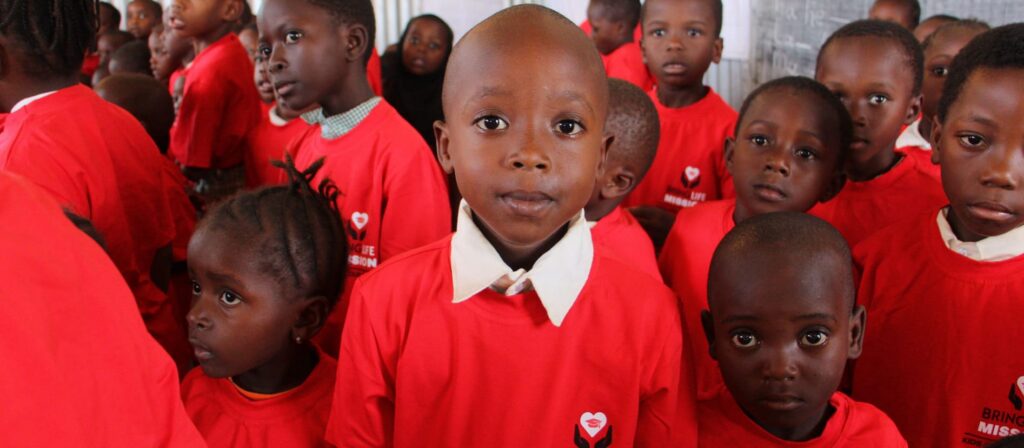
Youth Trainings on Purity and Holiness
We help teenagers in Malindi know God and choose purity and dignity.
A conversation that changes a teenager's future
About the project
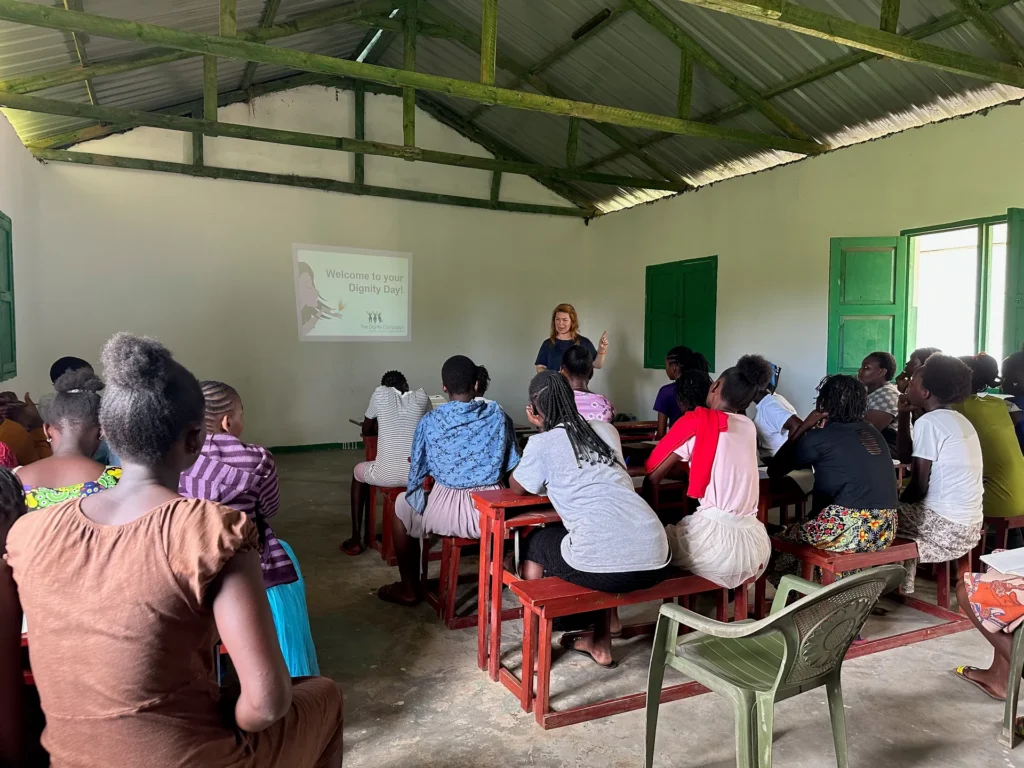
Through our youth purity trainings we run seminars for teenagers about relationships before marriage, about purity and innocence. We talk about God, about life values, about goals and how to reach them. This is one of the most important parts of our work with young people.
In a warm and respectful atmosphere, the young people receive what they so often lack — an honest grown-up conversation, answers to hard questions, and support at the very moment when their views on love, family and their own life are being formed.
How this ministry began
Our story
We saw the problem with our own eyes
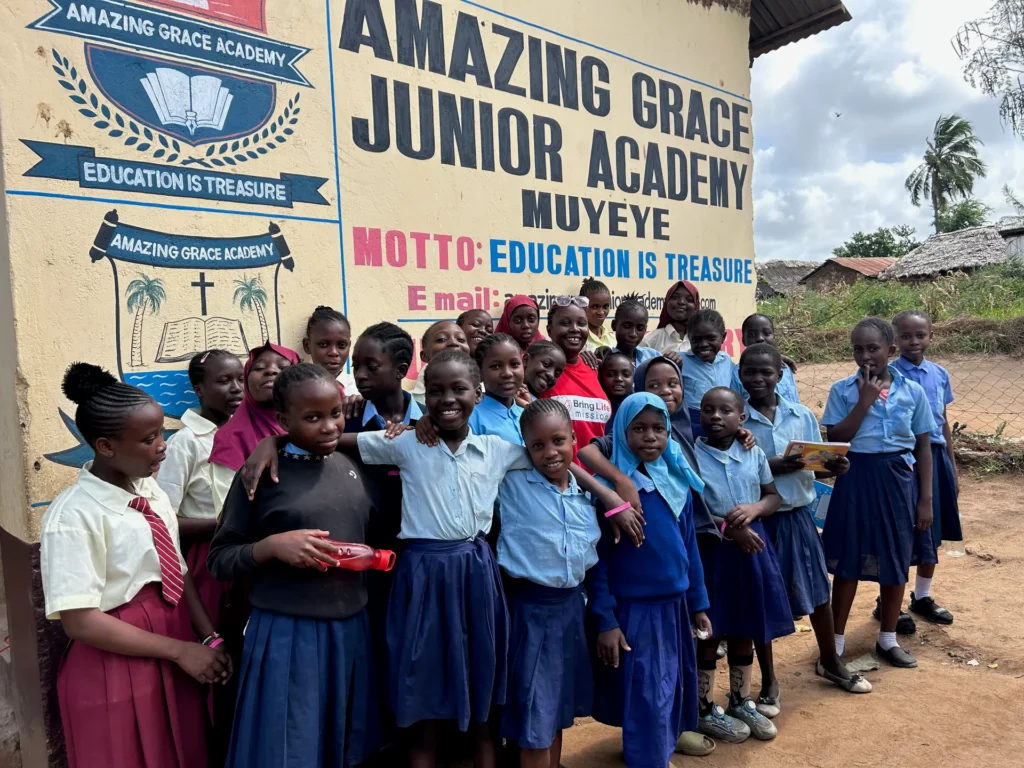
The idea for these trainings did not come by chance. In everyday life we kept meeting pregnant teenage girls more and more often. As we asked "Why? How did this happen?", we discovered that Kenya truly has a very high rate of teenage pregnancy.
Behind every such story there is not a single case but a whole tangle of reasons that silence cannot solve.
Reasons people prefer not to talk about
The first reason is large families. It is hard for parents to feed and educate eight to ten children, so they try to marry a girl off as early as possible: it helps the family survive, and the bride even brings a dowry — the "dairi".
The second reason is that teenagers often simply do not realize the consequences of their actions. In the villages there are no cinemas, clubs or opportunities to grow; life comes down to planting maize and waiting for the harvest, while a curious young mind wants more.
To this are added cases of abuse that are not spoken about out loud, and the problem of hidden sex tourism in Malindi.
That is how the trainings began
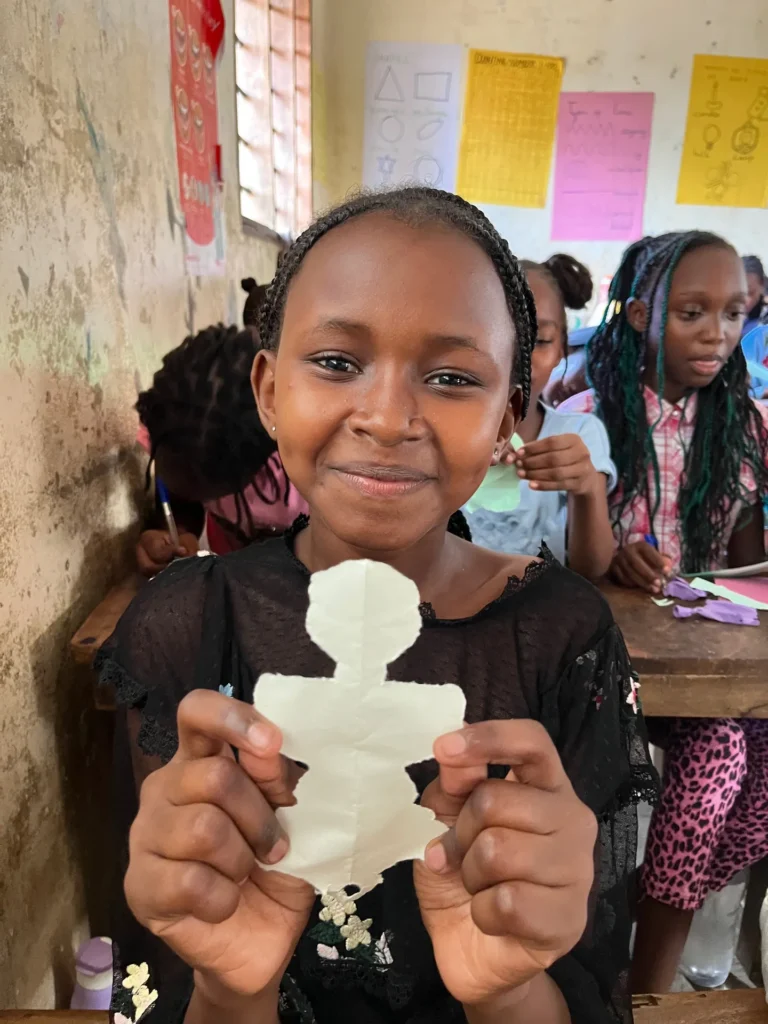
Putting the whole picture together, we realized that systematic work with young people is simply essential. So began the two- and three-day seminars where we tell teenagers about Jesus, about life with Him, and about the values that matter for a future family.
Together with them we look for answers to the questions that trouble them: how can I stay pure? how do I resist temptation and not cross the line of innocence? who will help me in a hard moment? how do I make right decisions and build plans together with God? We believe the answers are born in real dialogue and in the teenagers' own thoughtful reflection.
What happens at a youth purity training
How the trainings work
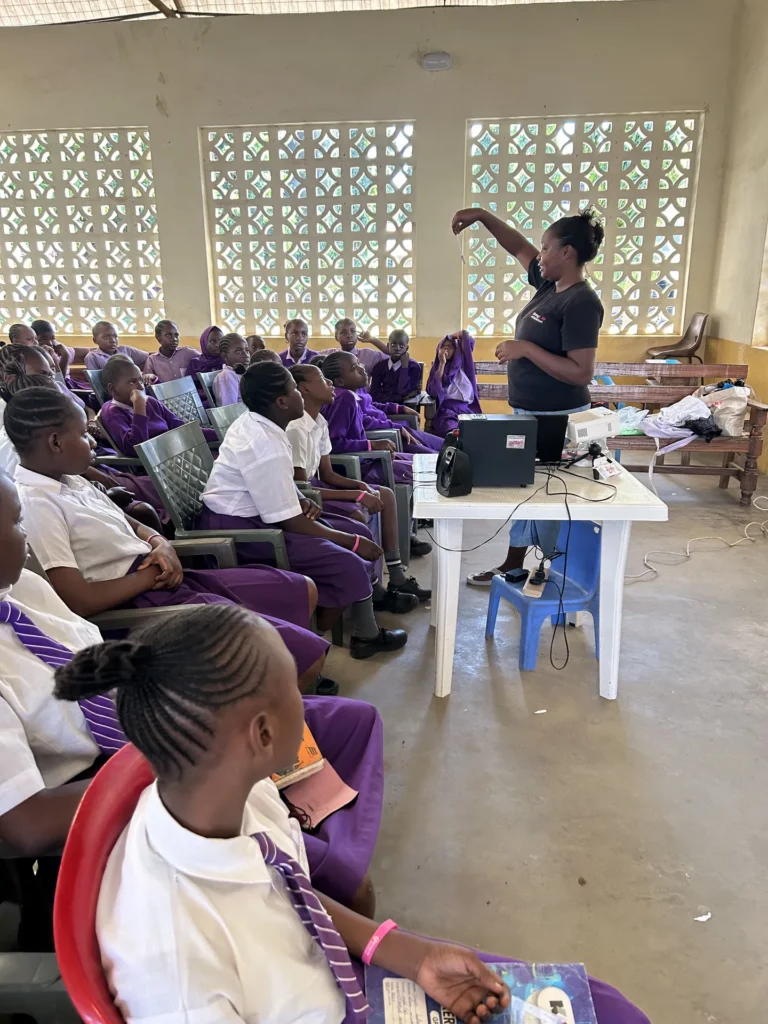
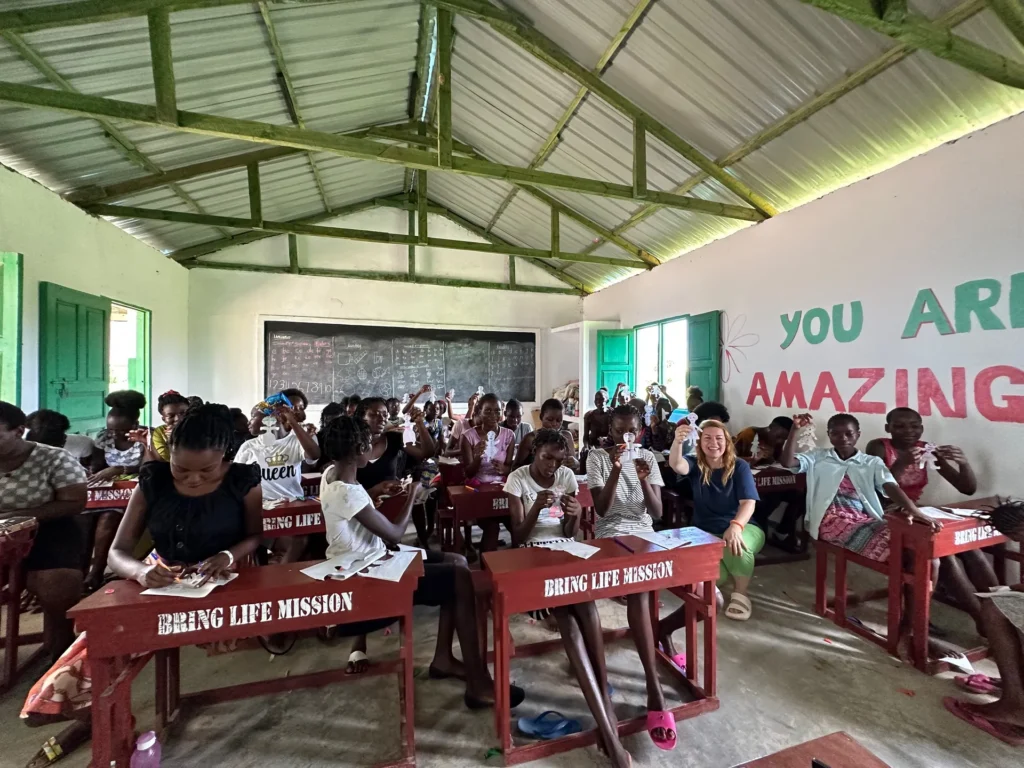
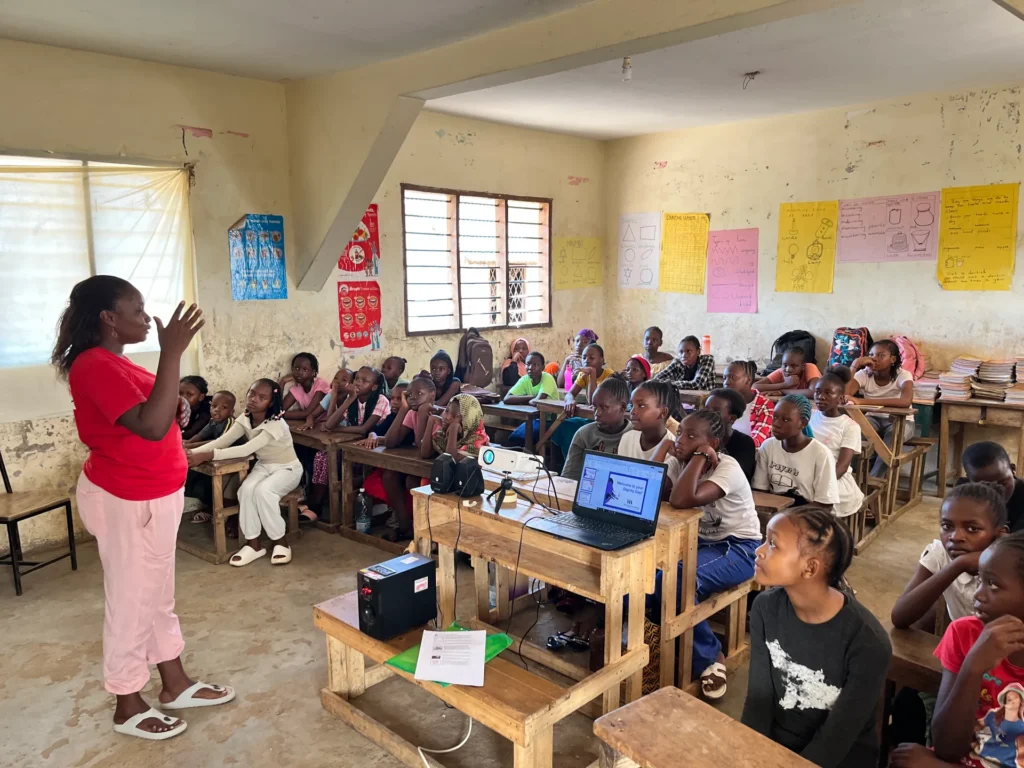
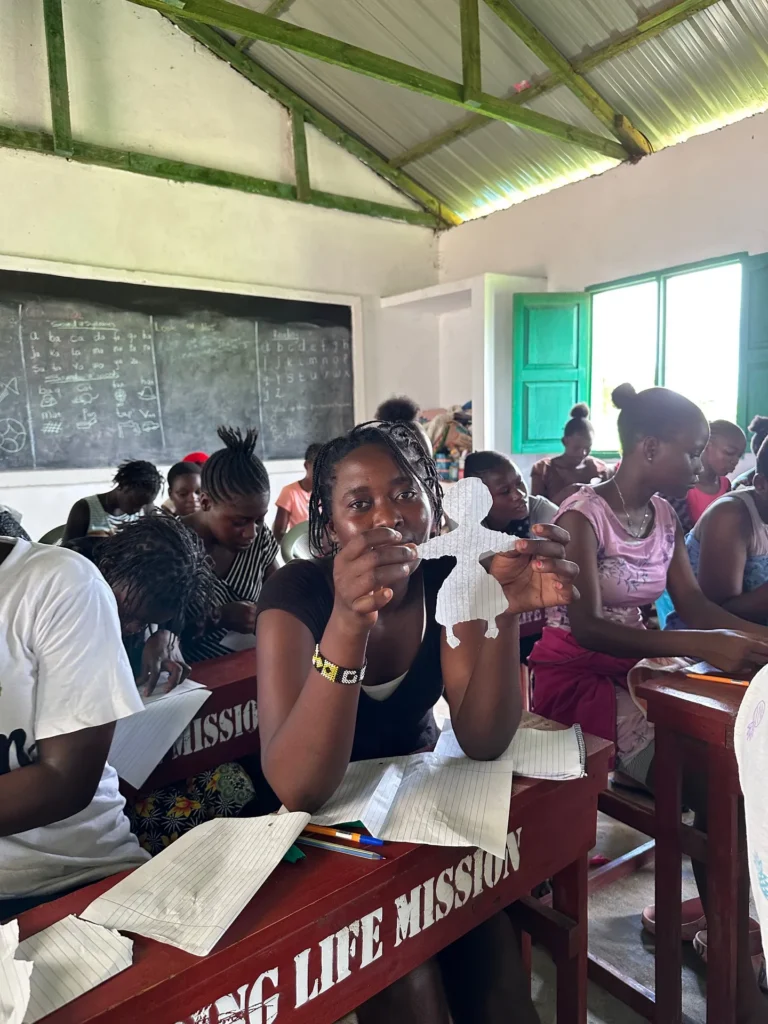
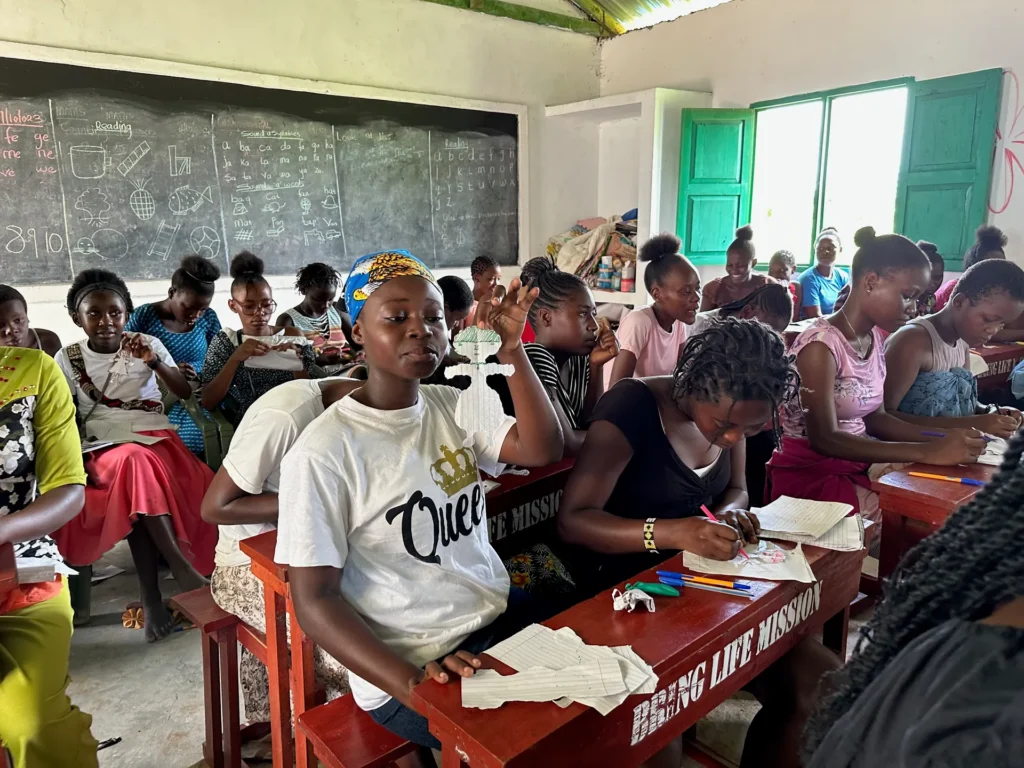
Each training is not a lecture but a series of lively, interactive sessions in small groups, where a teenager can speak openly and be heard.
Faith and values
We talk about God's love, about life with God, and about the values that strong families and healthy relationships are built on.
Honest questions
The young people ask what truly troubles them — about love, boundaries, temptation and choices — and receive honest answers.
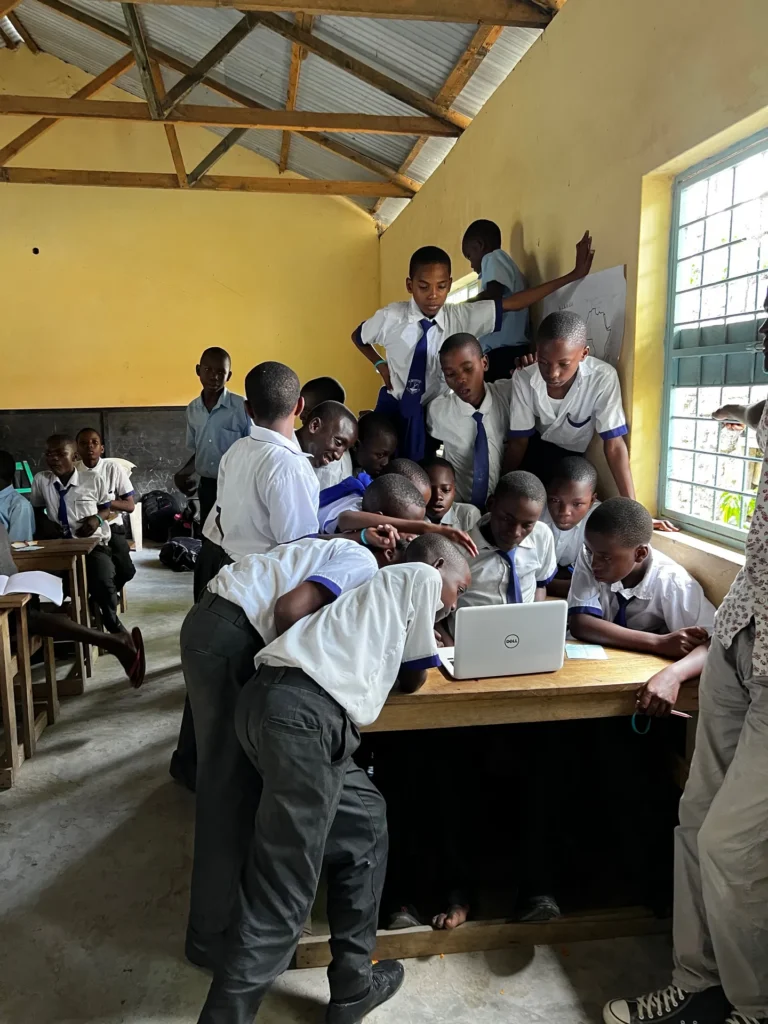
Small groups
In a safe setting, small groups discuss growing up, relationships and identity without fear of judgment.
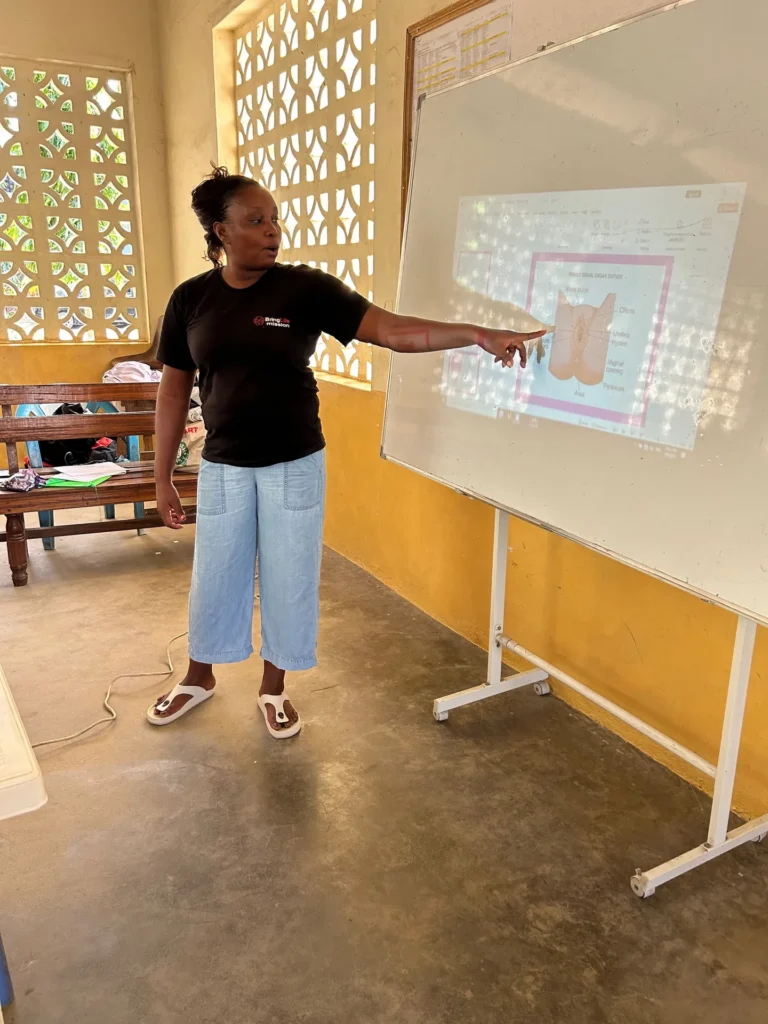
Hygiene and growing up
A separate block is devoted to health, hygiene and the changes of growing up — topics teenagers often have nowhere to learn about.
Trainings based on the Dignity and Dare program
The program
A proven method from South Africa
Since 2023 our seminars have followed the program of The Dignity Campaign from South Africa. These are carefully designed six-hour offline trainings made up of interactive sessions, where teenagers discuss the topics that matter to them in small groups and in a safe environment.
The program helps every teenager find what its authors call "identity, belonging and purpose in God" — to see their own worth and learn to make choices they can be proud of.
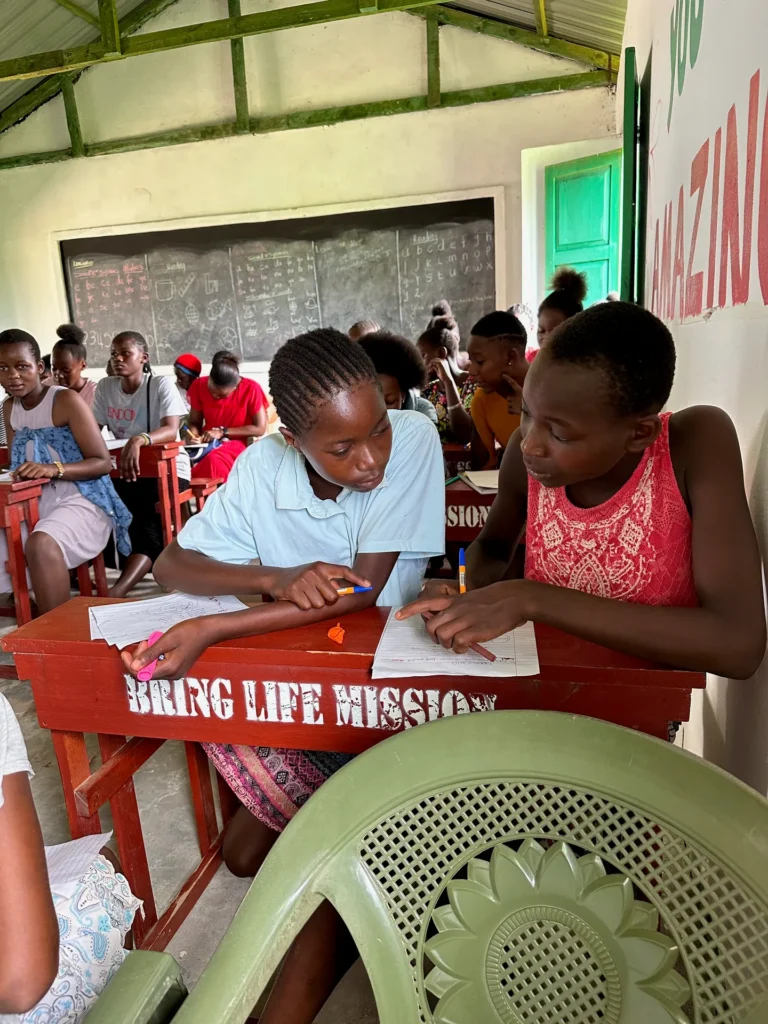
Dignity for girls, Dare for boys
For girls the program is called Dignity. It helps them speak about dignity, boundaries, growing up and health, including questions of the menstrual cycle and hygiene. For boys it is Dare: it calls them to be brave and responsible, and to look at strength, respect and leadership in a new way.
All of the facilitators have been trained by the organization, fully master the method and the way the seminars are run, and hold the relevant certificates. This gives us confidence that the conversation with teenagers is handled with care, correctly, and according to a proven program.
What every participant receives
Care
We want every teenager to feel that they matter. So a training is not only a conversation, but also care.
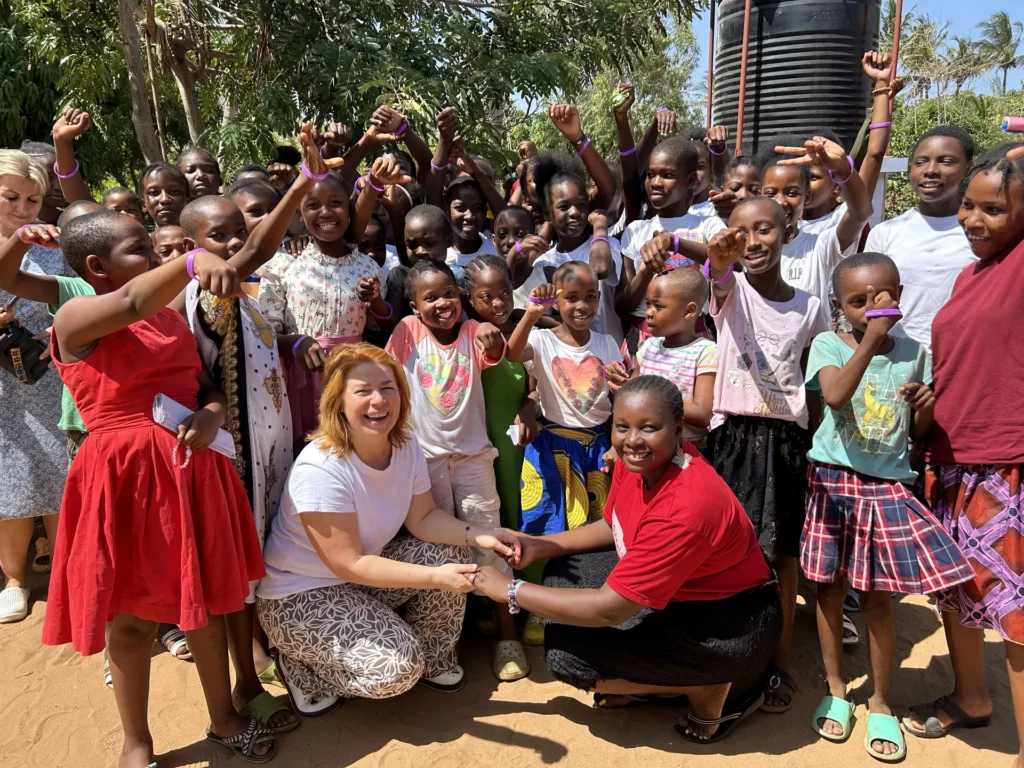
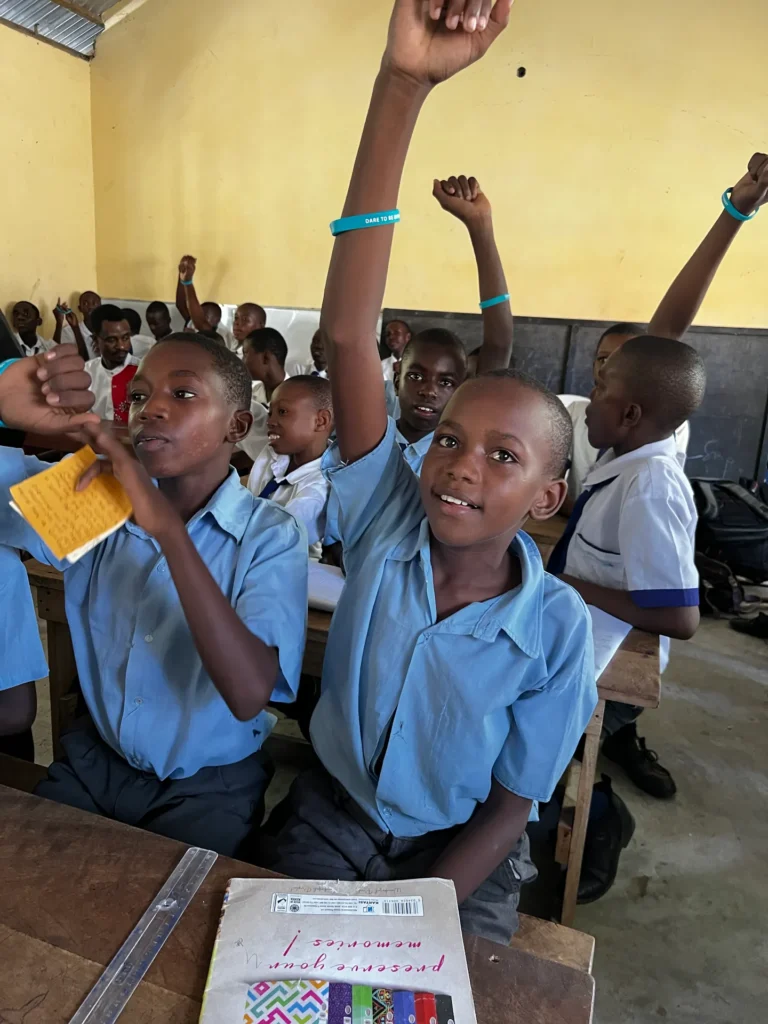
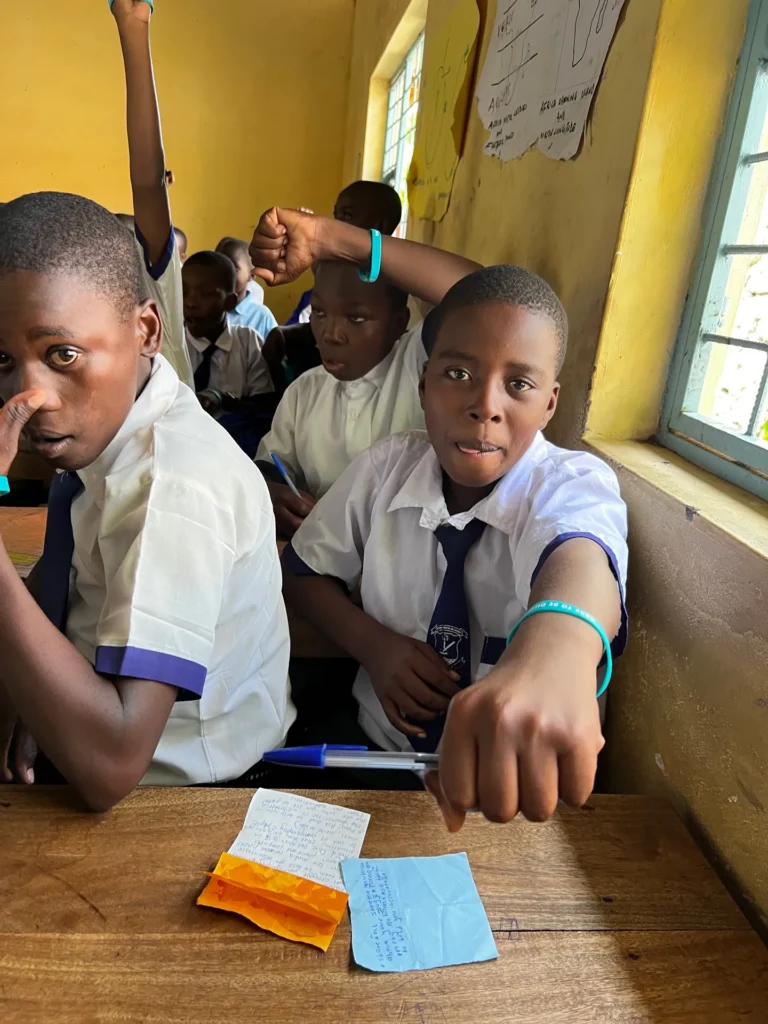
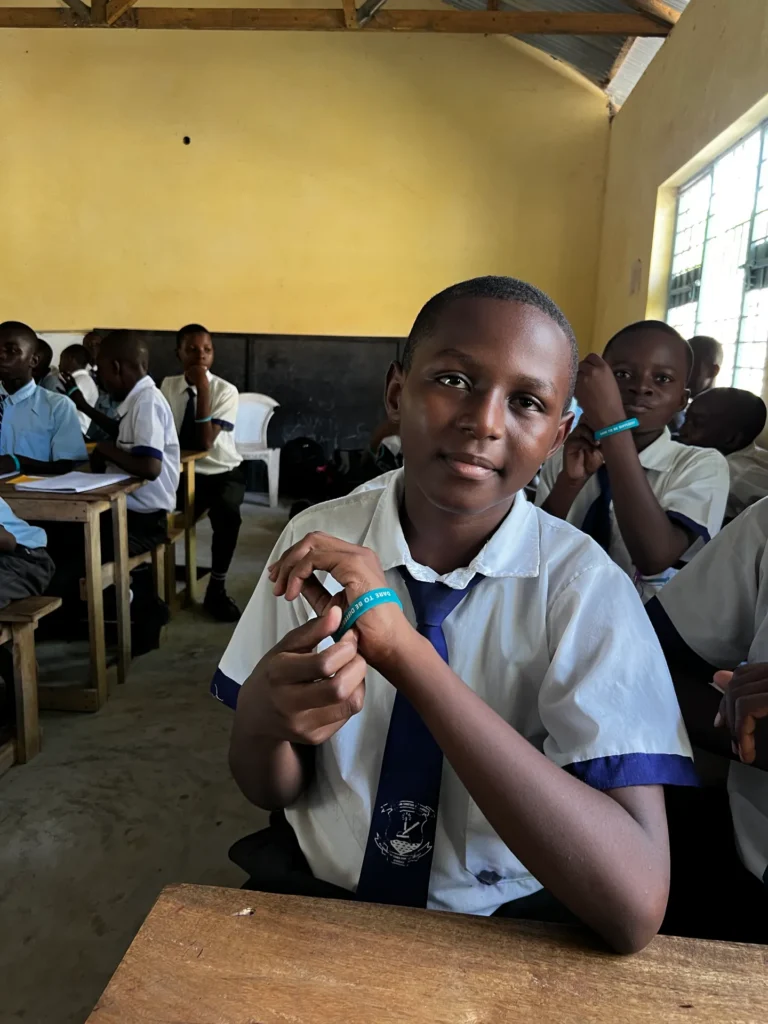
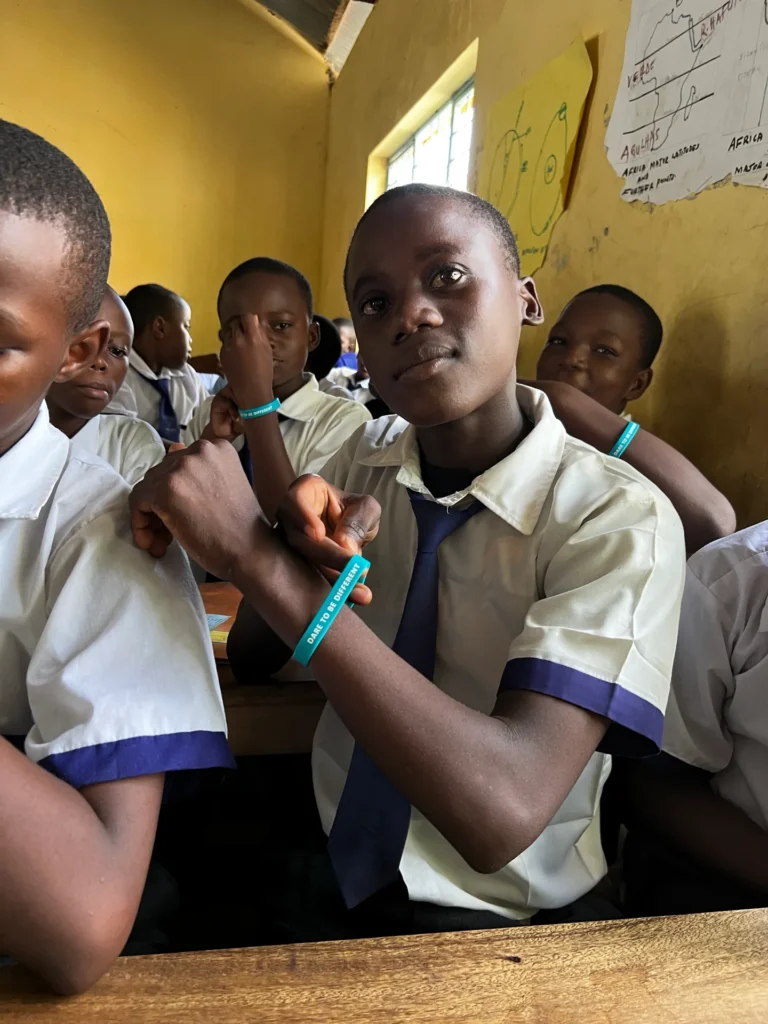
Everyone receives a training bracelet — a simple sign of belonging and a keepsake from the meeting.
We provide snacks and hot lunches so the young people stay fed and focused throughout the day.
Small sweets and gifts make the day feel special and create a warm, trusting atmosphere.
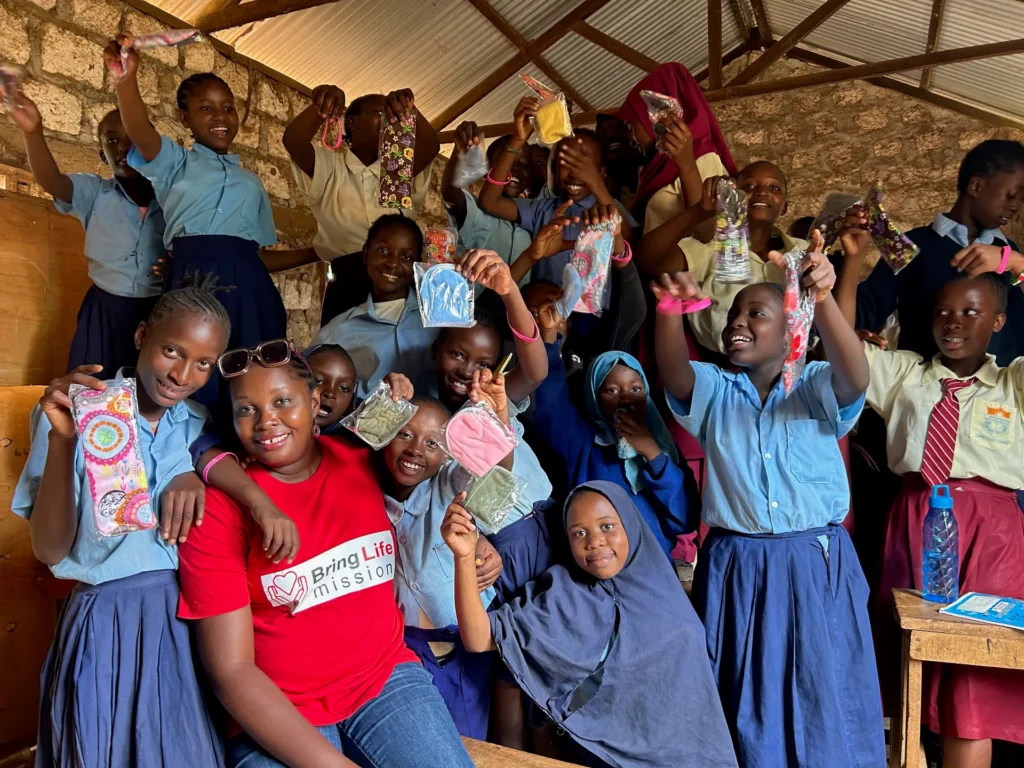
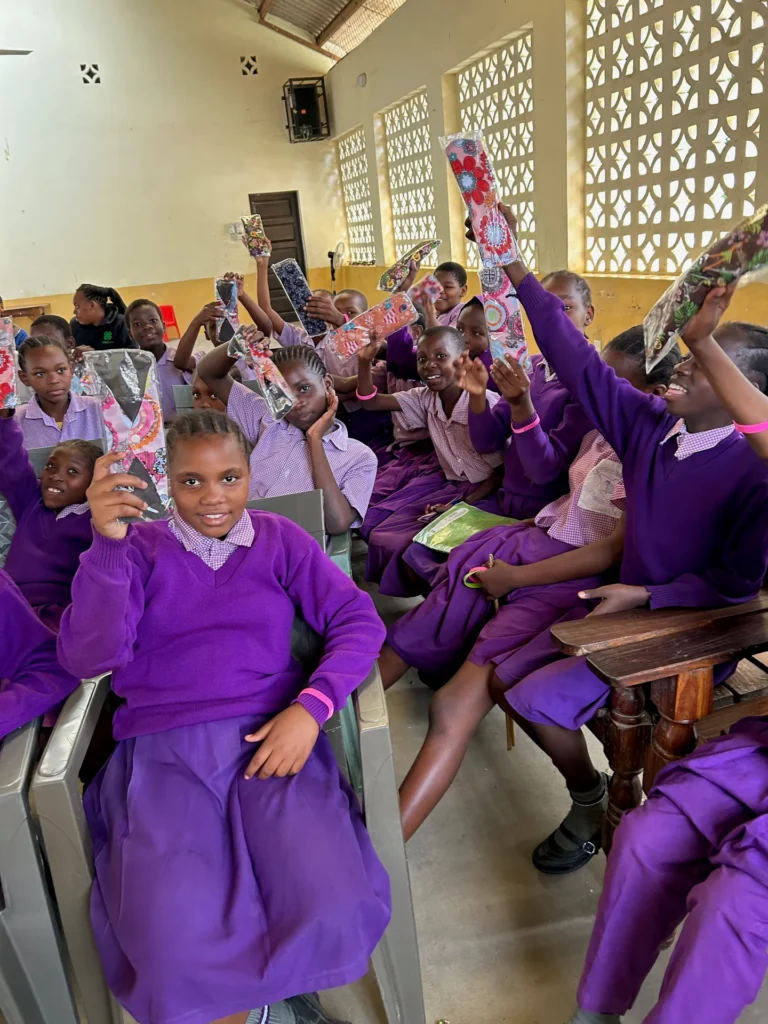
Every girl receives a set of reusable pads — an important and sensitive form of health care.
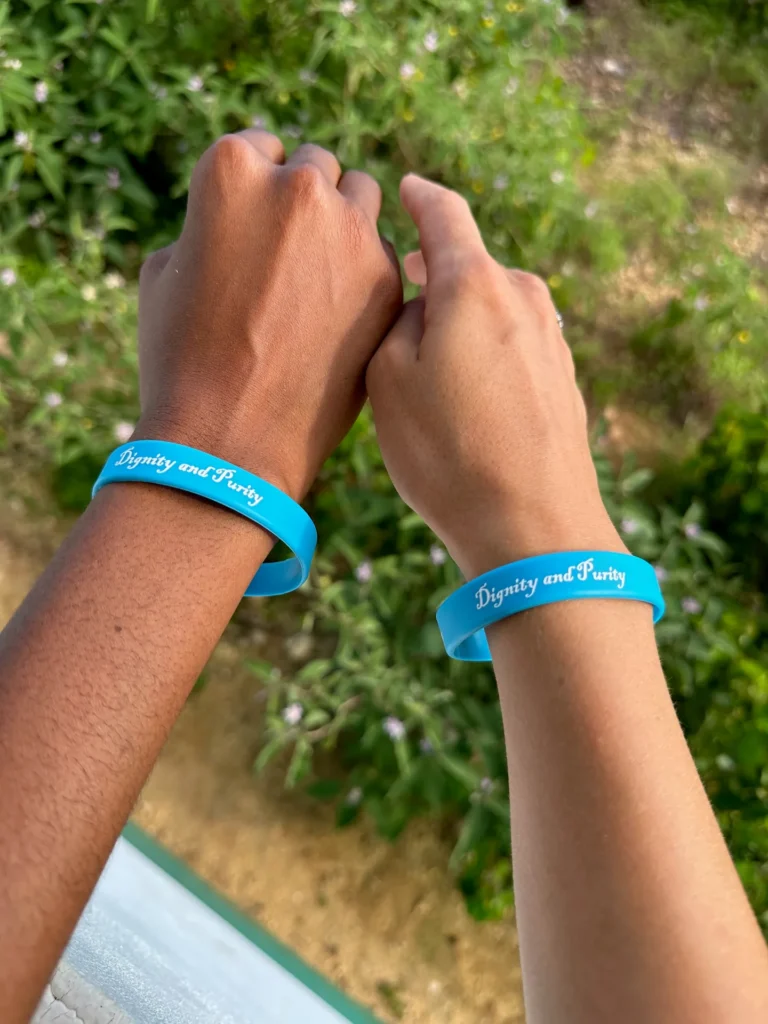
One conversation can change a whole life
Why it matters
Adolescence is a time when decisions are made quickly, while the consequences stay for years.
When there are adults nearby who are ready to speak honestly, to support and to believe in a teenager, that teenager gains a foothold. Instead of fear and silence — knowledge, dignity and faith. Instead of a random choice — a conscious decision. We see enormous potential in this ministry and are committed to developing it further.
Help us run more trainings
Current need
We run trainings separately for girls and for boys — about 100 teenagers aged 13–18 in each group.
One training costs on average $200–300. This covers handouts, snacks and lunches, sweets, participant bracelets, sets of reusable pads for girls, transport, and the work of the coaches who lead the sessions.
This is an approximate estimate, not a fixed price: the final amount depends on the number of participants, the make-up of the groups, and the cost of materials.
The donation opens in a secure Zeffy form. The platform charges the mission no fees.
Youth trainings in action
Photos
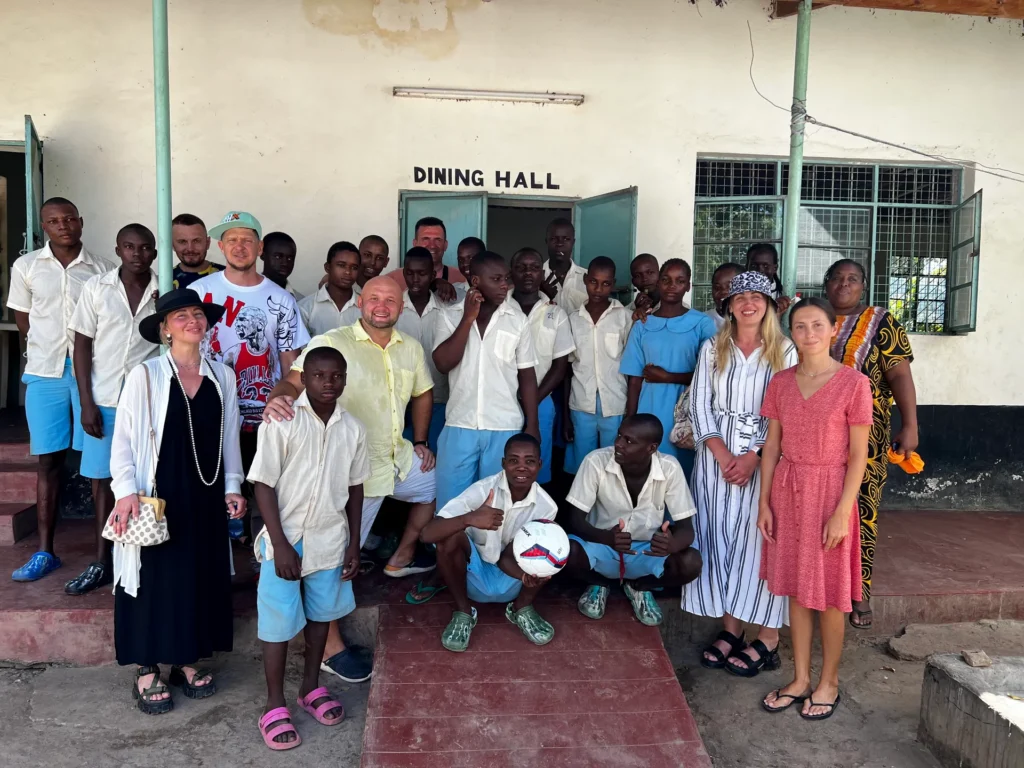
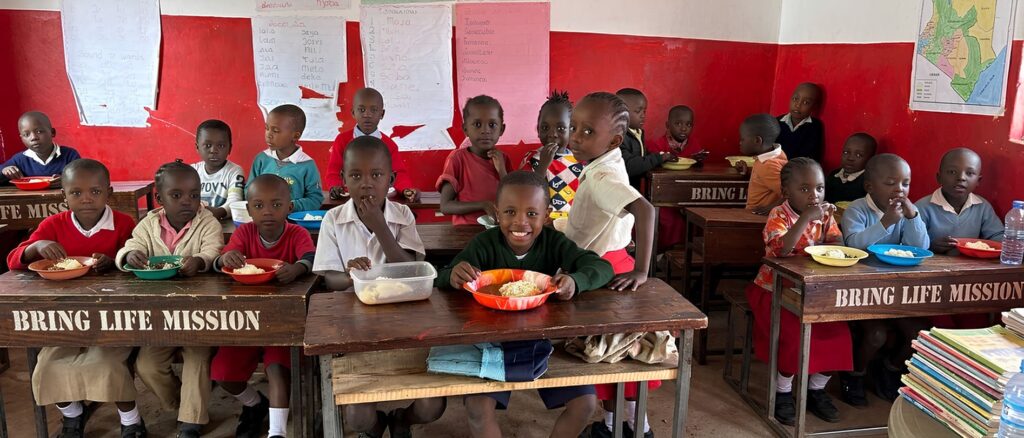
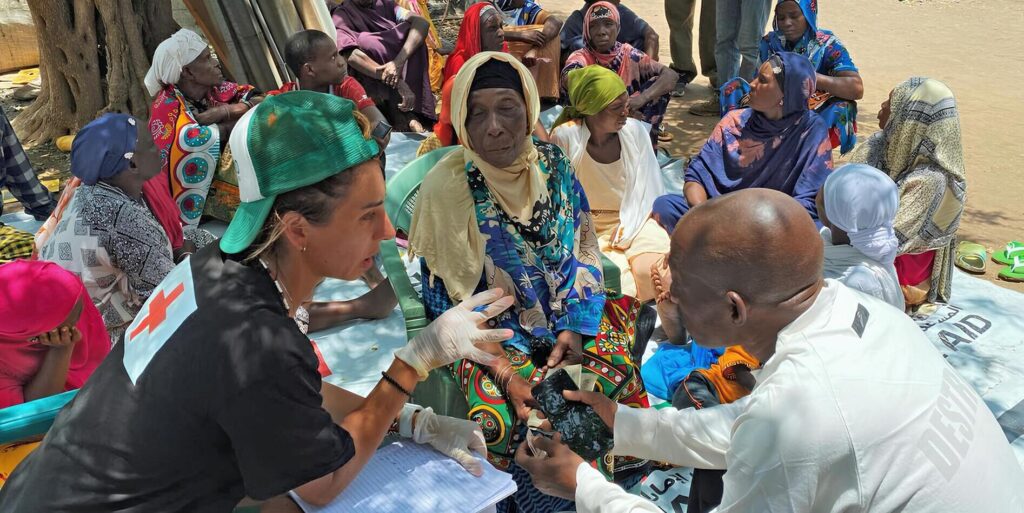
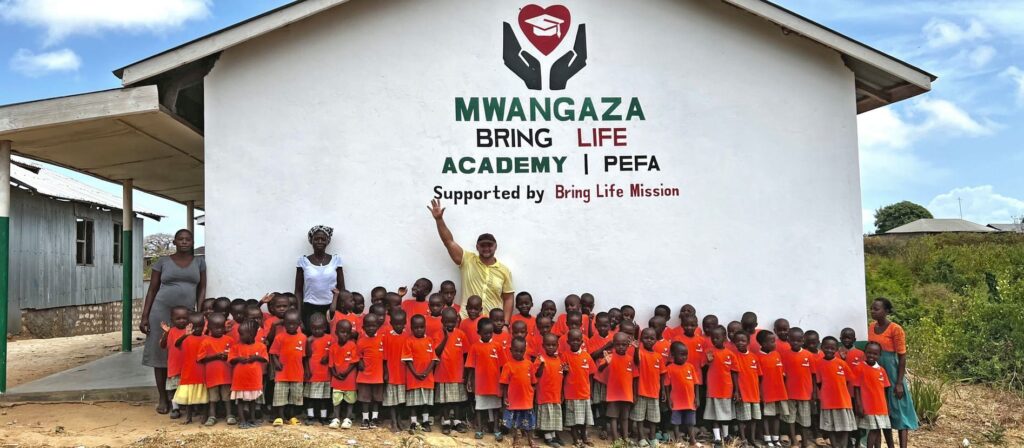
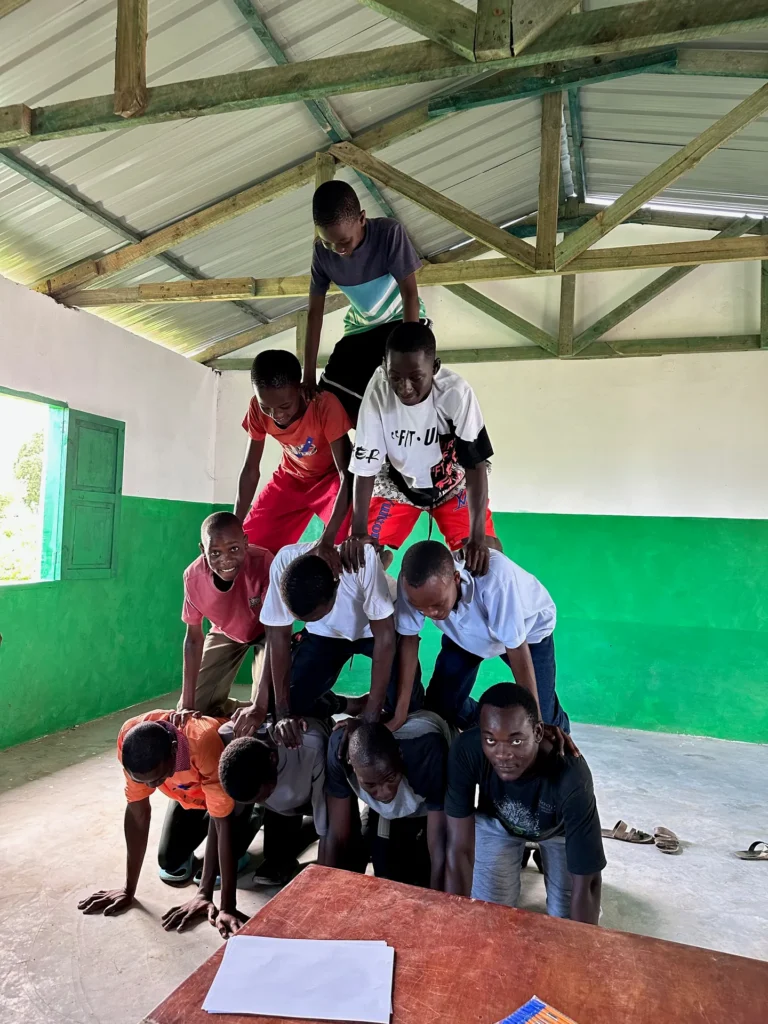
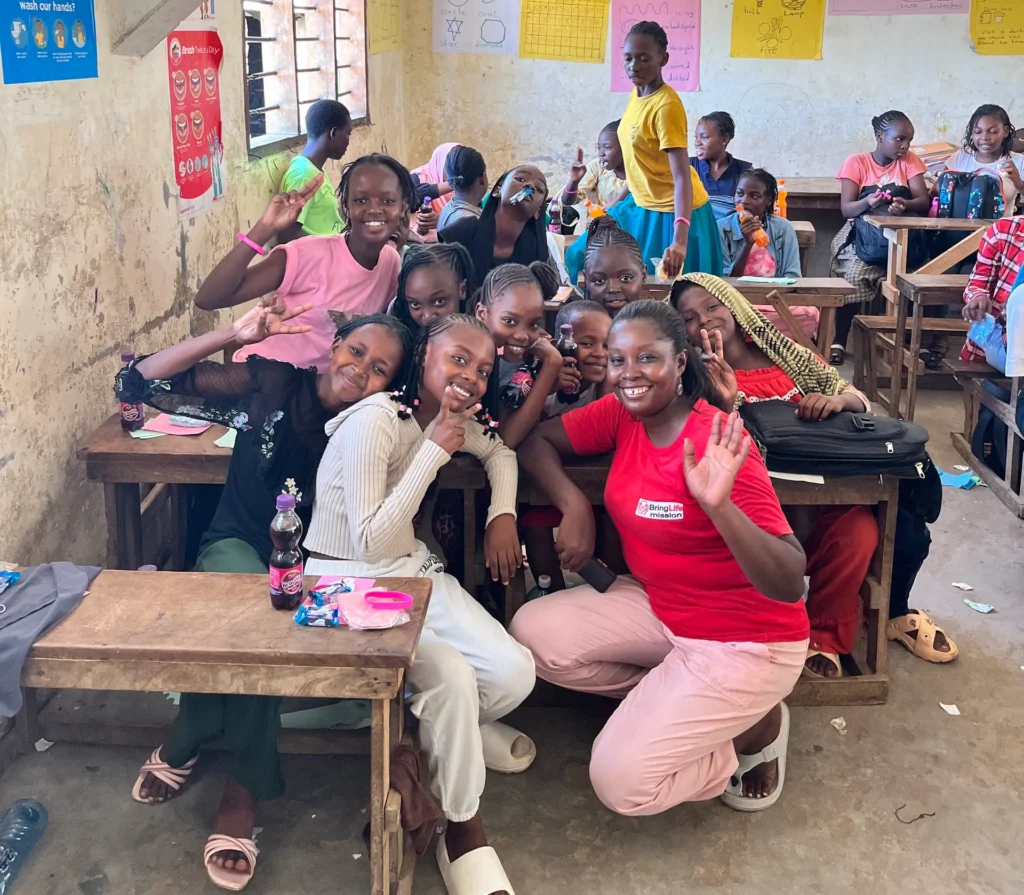
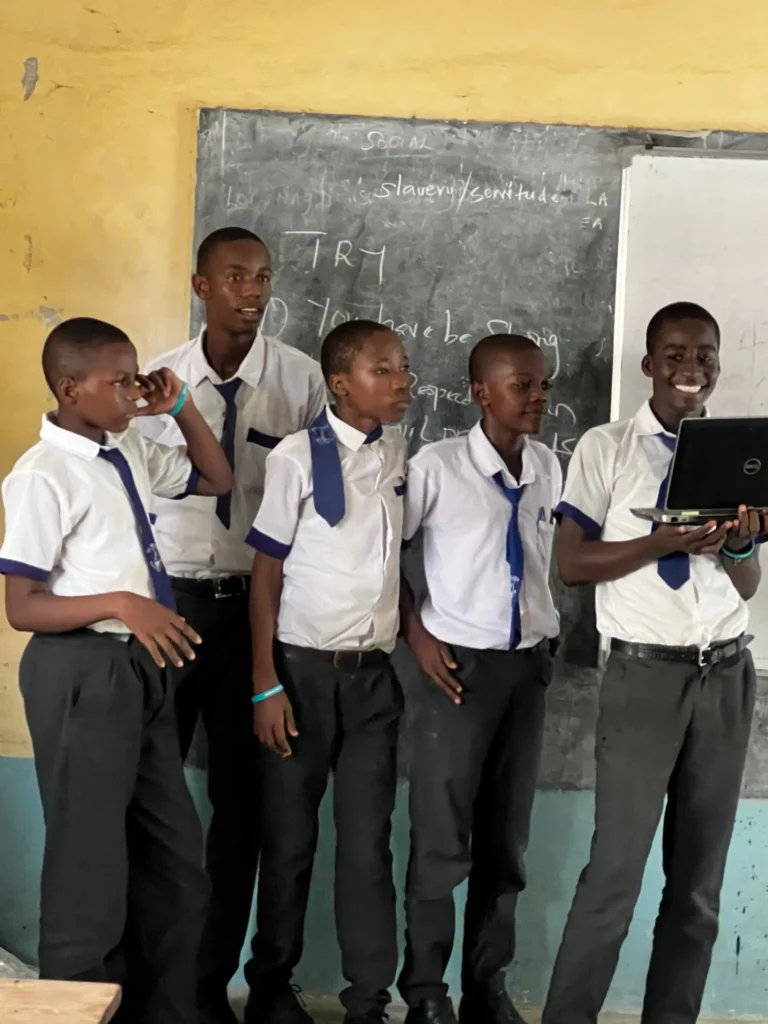
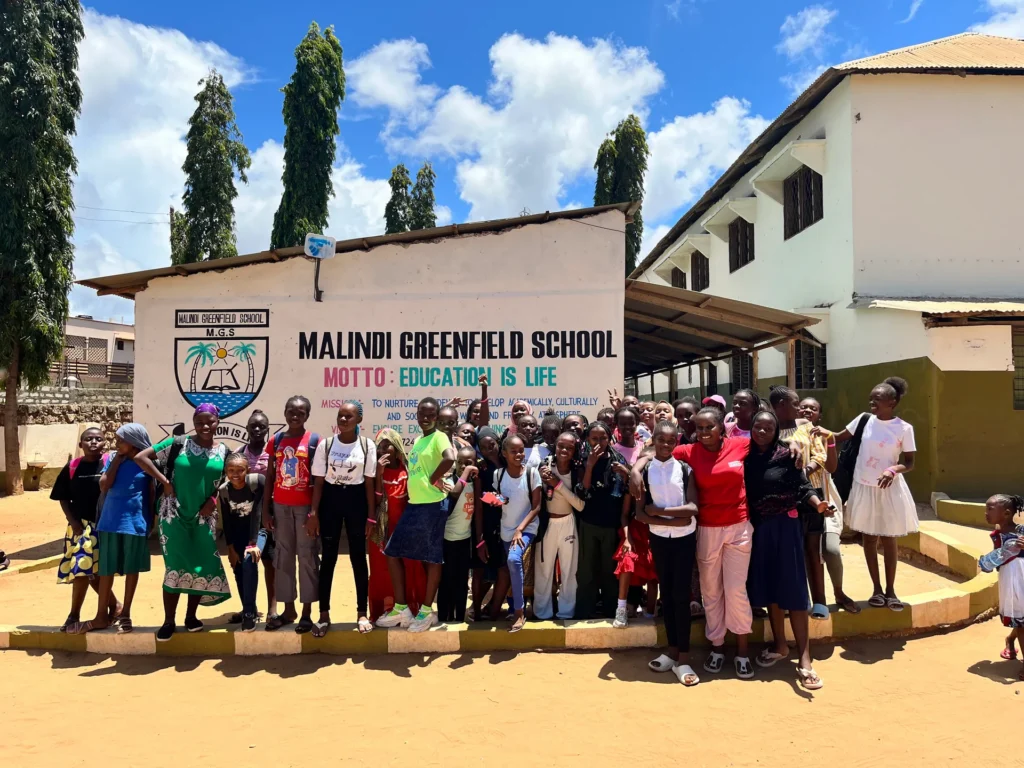
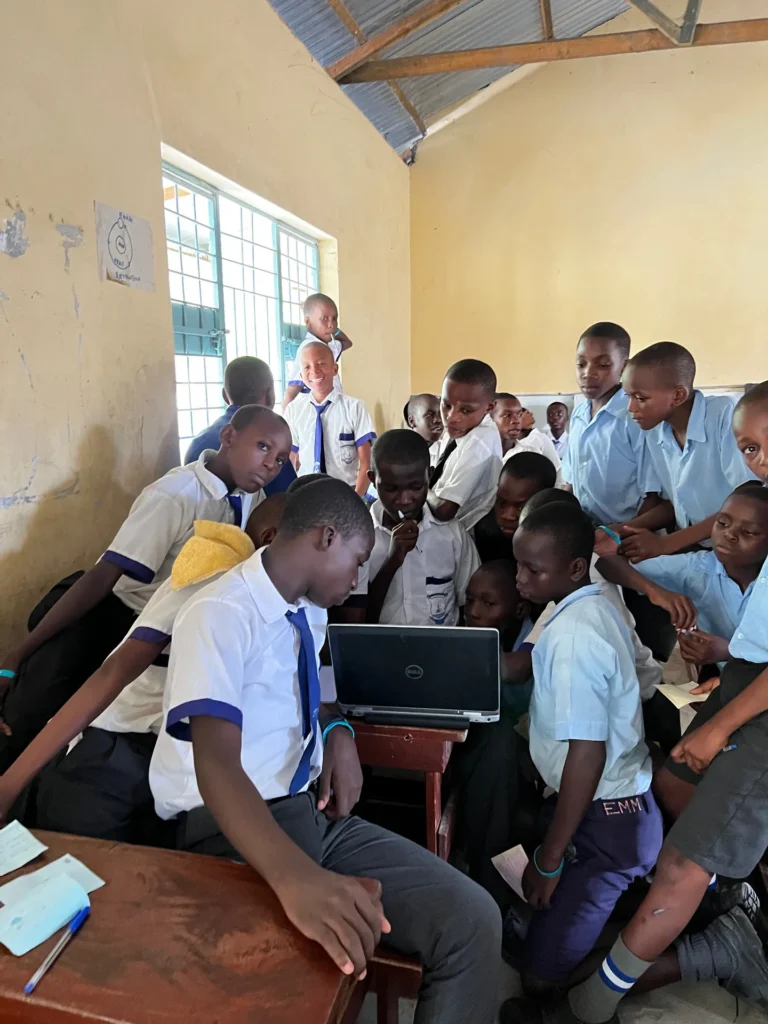
These photos show the seminars, the interactive sessions and the Bring Life Mission team's care for teenagers in Malindi.
Frequently asked questions
FAQ
Who are the trainings for?
For teenagers aged 13–18. We run the sessions separately for girls and for boys, with about 100 participants in each group.
Where do the trainings take place?
In Malindi, Kenya. Bring Life Mission organizes two- and three-day seminars in schools and communities.
What is the Dignity and Dare program?
It is the method of The Dignity Campaign from South Africa. For girls the program is called Dignity, for boys — Dare. These are six-hour interactive trainings about identity, relationships, growing up and hygiene. All facilitators are trained and certified by the organization.
What do the trainings talk about?
About God and values, about relationships before marriage, about purity and dignity, about how to resist temptation and make right decisions, and about the health and hygiene of growing up.
What do participants receive?
A participant bracelet, snacks and lunches, sweets, and for girls a set of reusable pads. One training costs on average $200–300.
How can I help?
You can support the trainings in prayer, make a donation through the secure Zeffy form, or contact the mission if you are ready to take part on a regular basis.
Youth Training News
Mission News
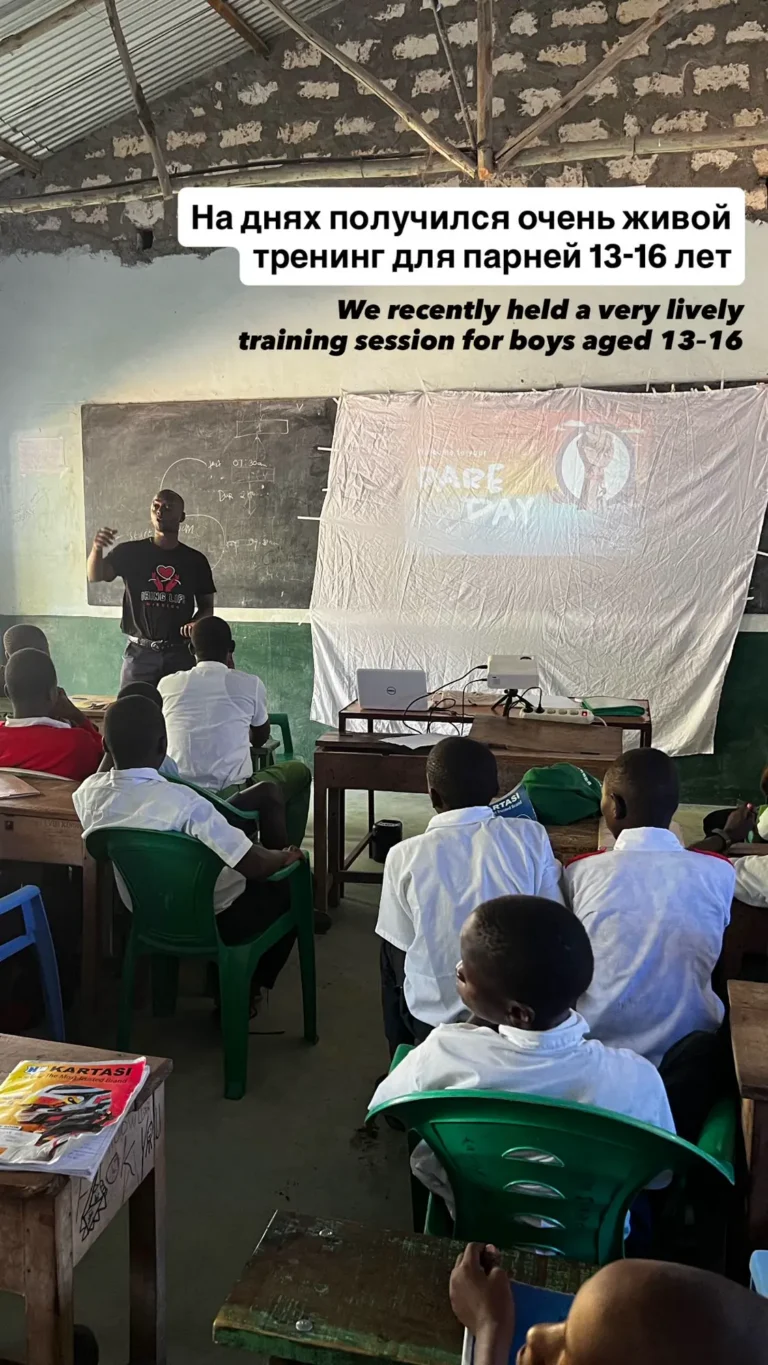
Teen Boys Training at a Public School in Kenya Focused on Freedom in Christ
Boys aged 13–16 took part in an engaging public-school training in Kenya focused on freedom in Christ—identity, purpose, relationships, friendship, goals, and addictions.
Christian Training for Young Men: Identity in Christ and Freedom
Young men took part in Christian trainings focused on identity in Christ, purpose, and finding freedom through the Word of God. The program also…
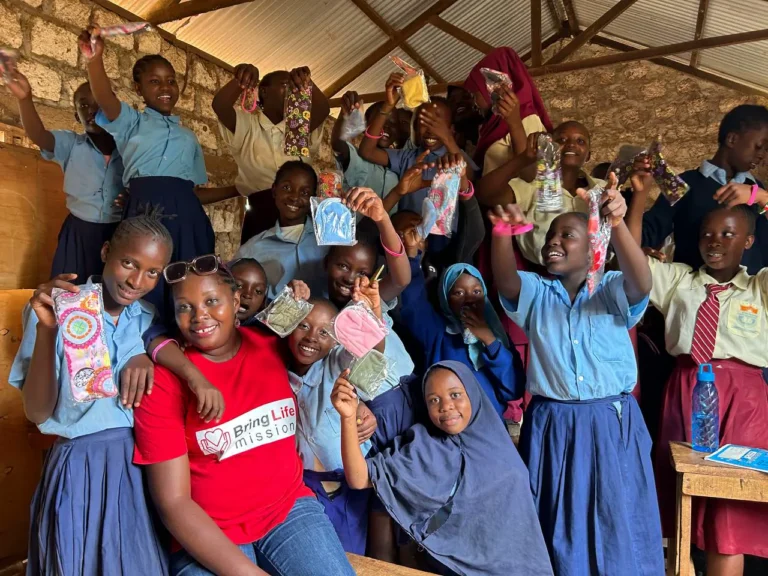
In Kenya, the second day of “Dignity Day” focused on women’s health and the value of family
On the second day of “Dignity Day” in Kenya, girls discussed hygiene, puberty, the female cycle, and STI prevention. Each participant received a bracelet…
Help teenagers choose purity and dignity
Support the youth trainings
Your support means new trainings, care for every participant, and a chance for a teenager to hear what will change their future.
Other Bring Life Mission projects